Does Heat Damage Perfume?
Practical storage and incident records without invented damage thresholds or chemistry diagnoses.
Published 2026-10-14 · Fragrentis editorial team2 min read
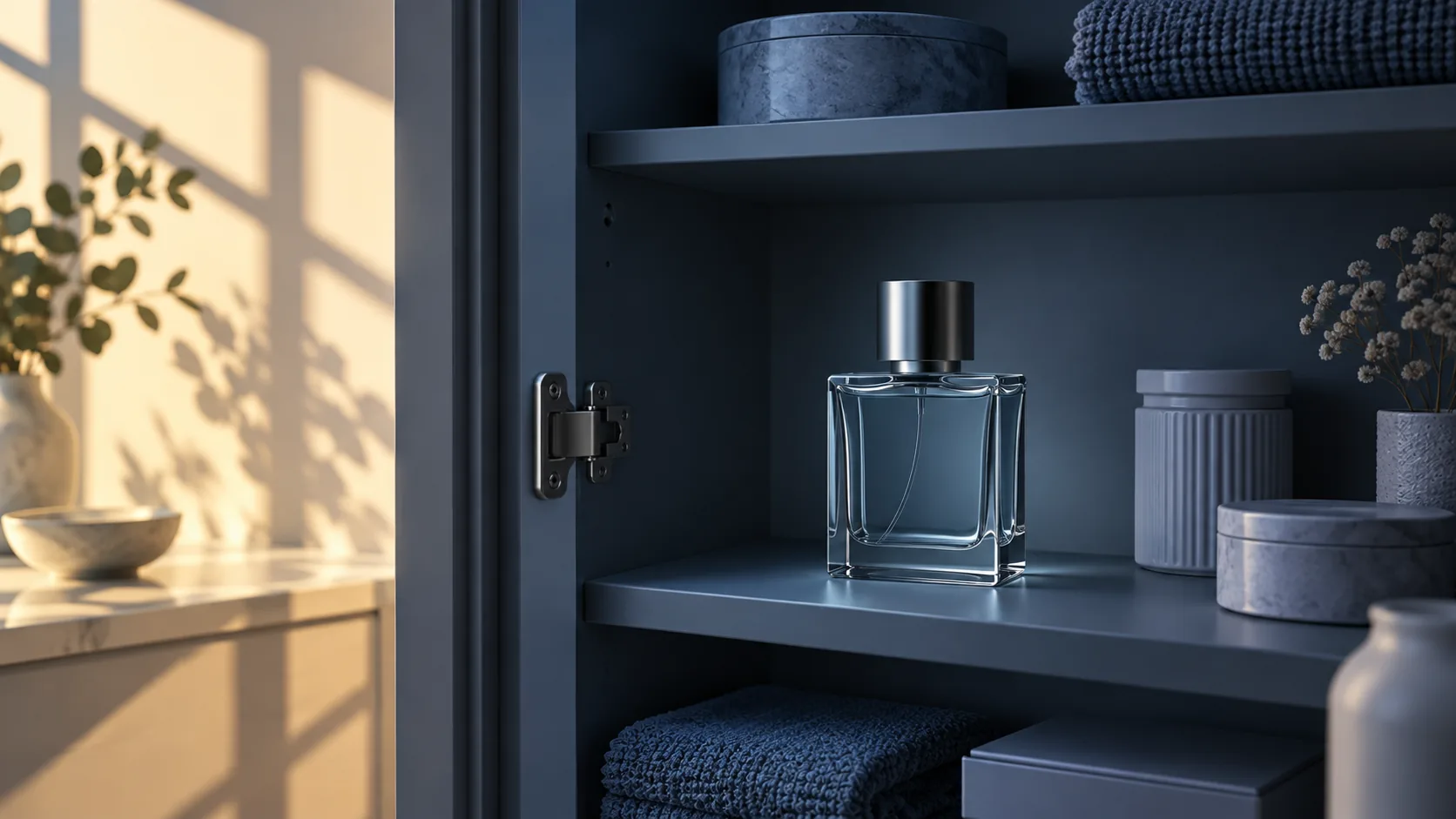
A warm bottle is a reason to review its storage, not proof that it has been ruined. The practical advice is to avoid preventable heat and light exposure and follow the maker's directions. Predicting chemical changes in a particular formula would require information and evidence that a casual look at the bottle cannot provide.
Start with the storage instruction CHANEL advises keeping its fragrances away from heat and light. Check the corresponding guidance for your own product rather than extending a brand-specific instruction into a precise temperature threshold for every perfume. There is no universal number of minutes in a hot room after which all bottles become unusable.
Move routine storage away from a sunny window, radiator or parked car. A closed cupboard in a more stable part of the home may be practical if it matches the product's directions and keeps the bottle secure. Refrigeration is not an automatic improvement; do not introduce a new storage practice without relevant manufacturer guidance.
Describe what you know If a bottle was exposed to heat, note the situation and approximate duration without inventing a temperature reading. Record any visible leakage, packaging damage or other actual changes. A recollection such as “left in the car during an afternoon” is honest context; a confident statement that the formula reached a particular temperature is not.
Distinguish a changed impression from a confirmed cause. Lighting, memory and the way a scent is sampled can complicate casual comparisons. A color difference alone does not establish safety or quality, and a familiar smell does not prove that every aspect of the product is unchanged. Contact the maker about concerning changes rather than trying to diagnose the chemistry at home.
Make prevention easy Use a location audit with four questions: does direct sunlight reach the bottle, is a heat source nearby, does the place get notably hot during the day, and can the cap be secured after use? Mark the questions you can actually answer. Move the bottle if the current spot makes avoidable exposure part of everyday use.
For a collection, record where each bottle normally stays and the date you moved it. This gives a future observation some context without turning it into a stability study. The goal is sensible storage and a documented response to an incident. It is not a promise of indefinite shelf life or an invented rule that one exposure has destroyed a particular perfume.
Sources and further reading
A Fragrentis editorial publication. Editorial policy and disclosure.