Eau de Toilette vs Eau de Parfum: What Is the Difference?
Identify the exact versions and compare them without universal concentration or duration promises.
Published 2026-10-14 · Fragrentis editorial team2 min read
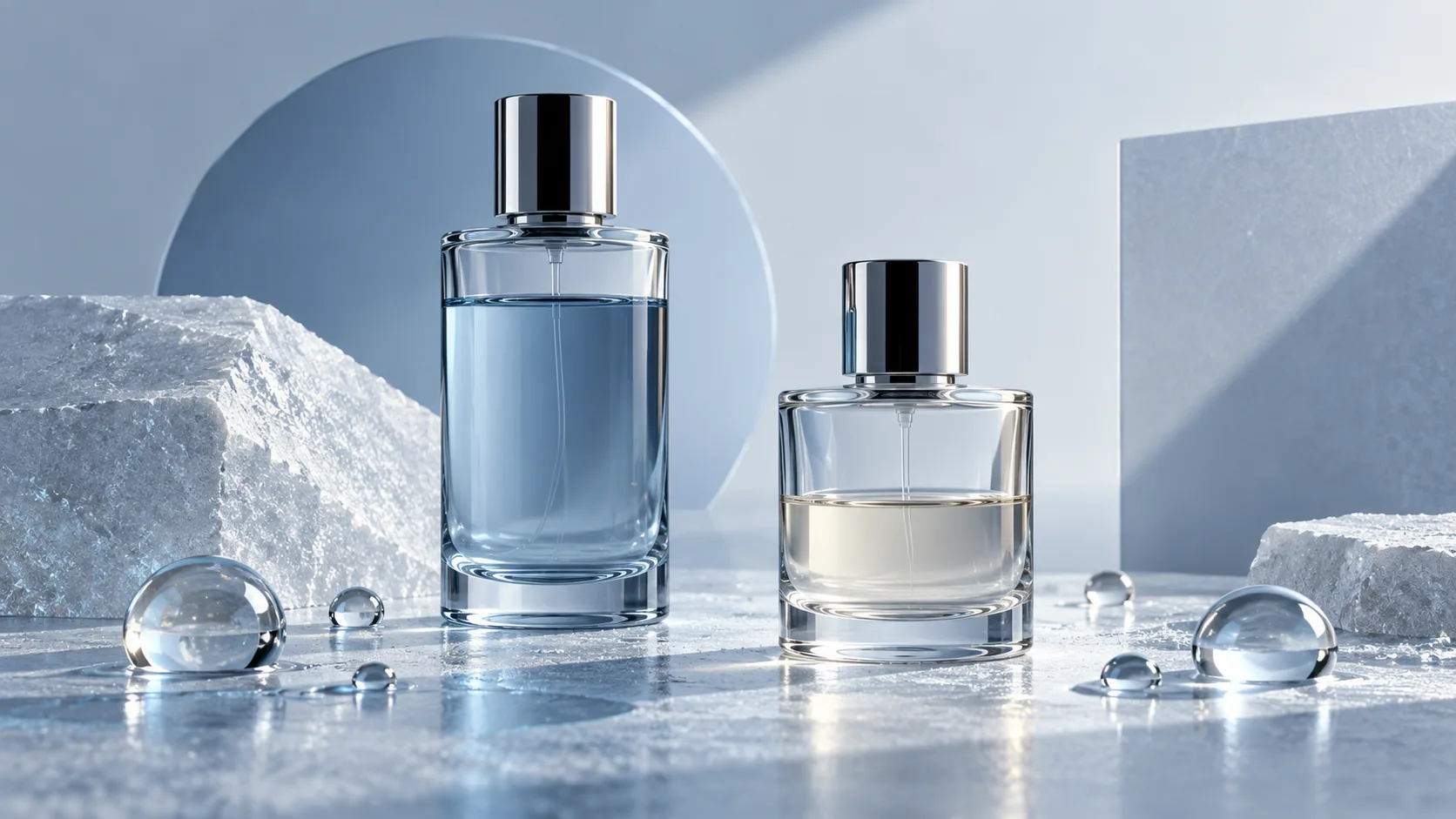
Eau de toilette and eau de parfum are labels worth recording, but they do not replace a comparison of the actual products. A shopper may expect the eau de parfum to be the same scent with more intensity. That is a hypothesis to check, not a universal rule about two bottles that share a name.
Keep the label and the product separate Write the full product name, the concentration label and the version you are looking at. Check the maker's own description for each. CHANEL's fragrance FAQ distinguishes its concentration categories, but one house's terminology should not be turned into a universal percentage table for every brand. Use product-specific information where it is available.
Avoid assuming that the formulas are otherwise identical. A maker may describe different balances or emphases within a named range. If you cannot establish how two versions relate, leave that question open. A public label alone does not provide their complete recipes, ingredient percentages or a measured duration on your skin.
Ask two different questions First ask whether you prefer the scent itself. Then ask whether its behavior suits the intended use. These are separate decisions. A version that remains noticeable for longer in one wear is not automatically the version you will enjoy more, and an appealing opening is not the whole comparison.
Prepare a comparison record with these fields: exact version, source of the product description, amount applied, date, setting, early impression and later impression. Test on separate comparable occasions instead of combining both and trying to attribute the result. Keep application conditions as consistent as practical, while acknowledging that an ordinary wear is not a controlled laboratory experiment.
Do not turn a preference into a performance law An invented result might read: “I preferred the drier impression of version A, even though I noticed version B more often later in the day.” That is a useful personal conclusion. It does not prove that all eau de parfums last longer, that a stated concentration caused the difference, or that someone else will get the same result.
If you are purchasing, also compare actual volume, price and intended use. Keep those commercial details outside the scent observation so a higher price does not silently become evidence of better performance. The label helps identify the bottle. The maker's description and your own careful comparison help decide whether that bottle answers the question you actually have.
Sources and further reading
A Fragrentis editorial publication. Editorial policy and disclosure.